
Resources
Explore Valuable Insights and Tools for Optimizing Your Laboratory Operations
Welcome to the Resources section of ATPS Analytix, your go-to source for the latest trends, tips, and tools to elevate the efficiency and compliance of your laboratory. Whether you’re a researcher, technician, or lab manager, we’ve gathered a collection of guides, whitepapers, checklists, case studies, and more to support your laboratory needs.

Guides & Whitepapers
Tailored Laboratory Solutions Across Diverse Sectors
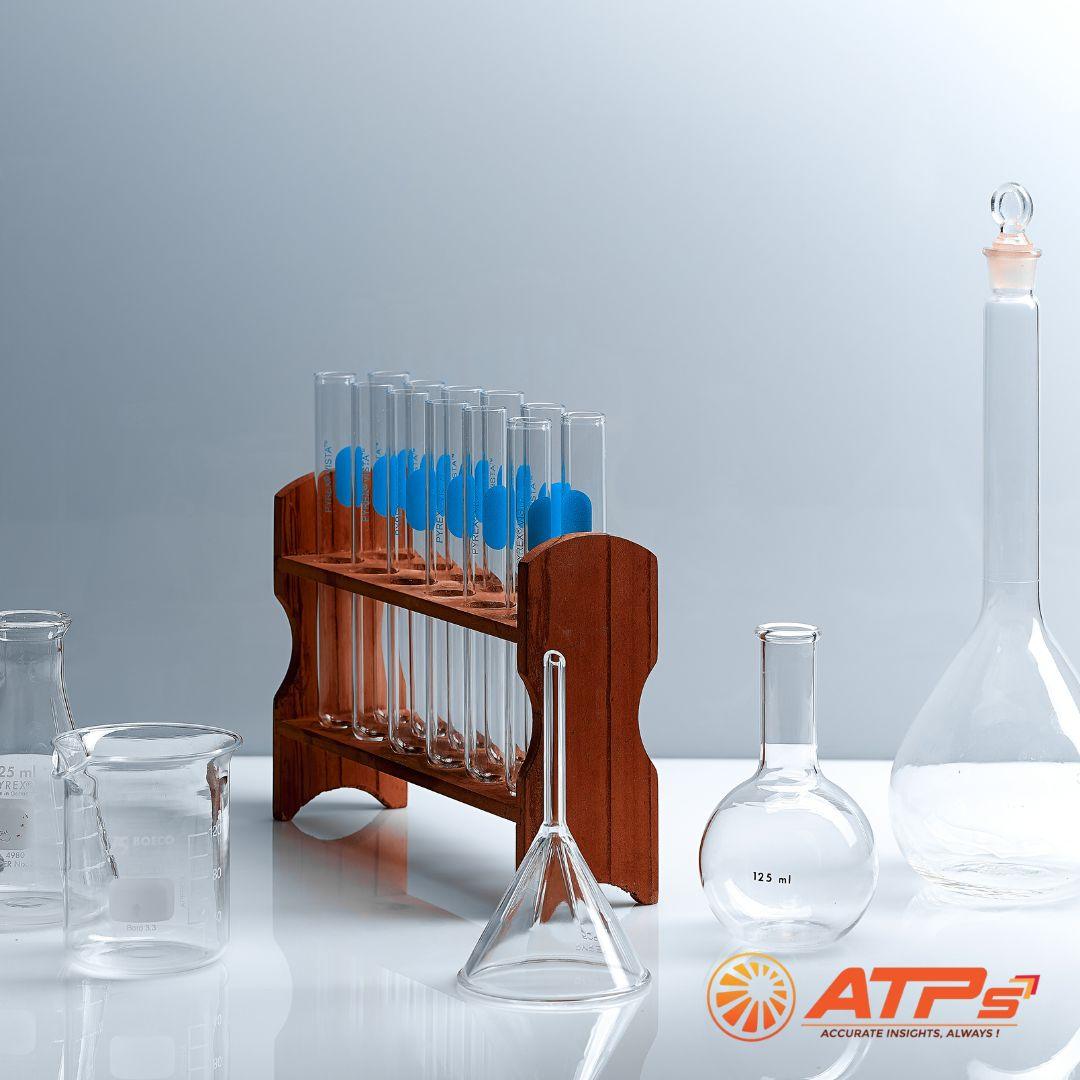

We’ve compiled a series of in-depth resources designed to offer expert advice and insights into laboratory optimization. Whether you’re in the planning stages of setting up a new lab or improving an existing one, our downloadable guides can help you make informed decisions.
- How to Plan a Lab for Maximum Efficiency
A comprehensive guide to designing and organizing your lab layout for streamlined workflows and improved productivity. - Ensuring Compliance in Your Laboratory: A Step-by-Step Approach
Learn the key steps to ensure your lab remains compliant with both industry standards and local regulations. - The Importance of Preventative Maintenance in Laboratory Equipment
Understand the value of regular maintenance and how it can extend the lifespan of your equipment.
Case Studies
Real-world examples of how ATPS Analytix has helped laboratories optimize their operations.
- Optimizing a Pharmaceutical Lab
Discover how we helped a pharmaceutical company enhance lab efficiency, reduce downtime, and maintain strict compliance standards. - Turnkey Lab Setup for a Research Institute
Learn about our end-to-end solution for a large research institute and how we ensured seamless integration of systems and equipment.
Checklists & Templates
Download practical tools that you can use to ensure that your lab is set up and operating at peak performance.
- Lab Setup Checklist
A handy checklist for making sure all aspects of your lab are considered during design and installation. - Preventative Maintenance Schedule Template
Keep track of regular maintenance tasks to ensure the longevity and safety of your equipment.

What factors should I consider when designing a new lab?
Designing a new laboratory requires careful planning to ensure the space meets both functional and safety requirements. Key factors to consider include:
- Space Utilization: Optimize the layout to ensure smooth workflow and efficiency. Identify areas for storage, workstations, equipment placement, and pathways for easy movement. Maximize the use of available space while minimizing congestion.
- Safety: Incorporate safety measures such as proper ventilation, fume hoods, eyewash stations, fire extinguishers, and emergency exits. Ensure compliance with local safety regulations and industry standards (e.g., OSHA, NFPA).
- Compliance: The lab must adhere to local, national, and international regulations regarding equipment, waste disposal, environmental impact, and safety. Consult with regulatory bodies to ensure your lab meets all legal requirements.
- Equipment and Systems: Choose lab equipment that matches the specific work to be done in the lab. Consider HVAC systems, electrical supply, water, and gas requirements to ensure seamless operation of lab processes.
- Technology Integration: Plan for the integration of automated systems, data management tools, and energy-efficient solutions that will help streamline lab operations and reduce long-term costs.
- Flexibility: Design the space with future needs in mind. Ensure that your lab layout is adaptable for future expansion or changes in technology and workflows.
How do I ensure that my lab is compliant with environmental and safety regulations?
Ensuring compliance with environmental and safety regulations is critical to maintaining the integrity of your laboratory operations and protecting the health of personnel. Here are key steps to follow:
- Know the Regulations: Familiarize yourself with local, national, and international regulations related to lab safety, environmental impact, and waste disposal. Common standards include OSHA, EPA (Environmental Protection Agency), and ISO 9001/14001 for environmental management.
- Implement Safety Protocols: Create and enforce safety policies for lab workers, including proper handling of hazardous materials, use of personal protective equipment (PPE), and emergency procedures. Regularly review and update these protocols to align with current standards.
- Regular Safety Audits: Conduct regular safety audits and risk assessments to identify potential hazards in the lab. This includes checking the functionality of safety equipment (e.g., fire extinguishers, fume hoods, emergency showers) and verifying that systems are up-to-date and properly maintained.
- Waste Management: Establish protocols for the safe disposal of hazardous and non-hazardous waste. Comply with local regulations regarding waste treatment and disposal procedures to minimize environmental impact.
- Training and Awareness: Regularly train lab staff on safety and environmental compliance, including the handling of chemicals, safe disposal practices, and emergency response procedures. Document these trainings and keep records for future inspections.
- Third-Party Audits: Consider bringing in external experts to conduct compliance audits, ensuring an unbiased review of your lab’s adherence to industry standards.
What are the benefits of regular calibration services for lab equipment?
Regular calibration of lab equipment is essential for maintaining accurate, reliable, and consistent results. Some key benefits of calibration services include:
- Accuracy: Calibration ensures that your lab equipment provides precise measurements, minimizing the risk of errors in experiments, tests, or research. Accurate results are critical, especially in fields such as pharmaceuticals, healthcare, and environmental testing.
- Consistency: Regular calibration helps maintain consistent performance over time, ensuring that equipment delivers the same results under the same conditions. This is important for repeatability and reproducibility in scientific research.
- Regulatory Compliance: Many regulatory bodies (e.g., ISO, FDA) require laboratories to calibrate instruments regularly. By keeping up with calibration schedules, you ensure your lab remains compliant with relevant industry standards and regulations.
- Equipment Longevity: Calibration services include maintenance checks that help detect early signs of equipment malfunction or wear. By addressing these issues early, you can extend the lifespan of your lab instruments and avoid costly repairs or replacements.
- Preventing Downtime: Regular calibration reduces the risk of equipment failure, which can cause unplanned downtime and disruption to lab operations. By catching potential issues during routine calibration, you minimize the chances of costly breakdowns.
- Quality Control: For labs involved in product testing, manufacturing, or research, calibration ensures that results meet required quality standards. It helps maintain the quality of your outputs, which is crucial for customer satisfaction, product reliability, and safety.
Get in Touch with ATPS Analytix
Contact Us:
Phone: 9152294757 | 9594713719
Email: sales@atpsanalytix.com